Are Electric Cars Truly Green Vehicles
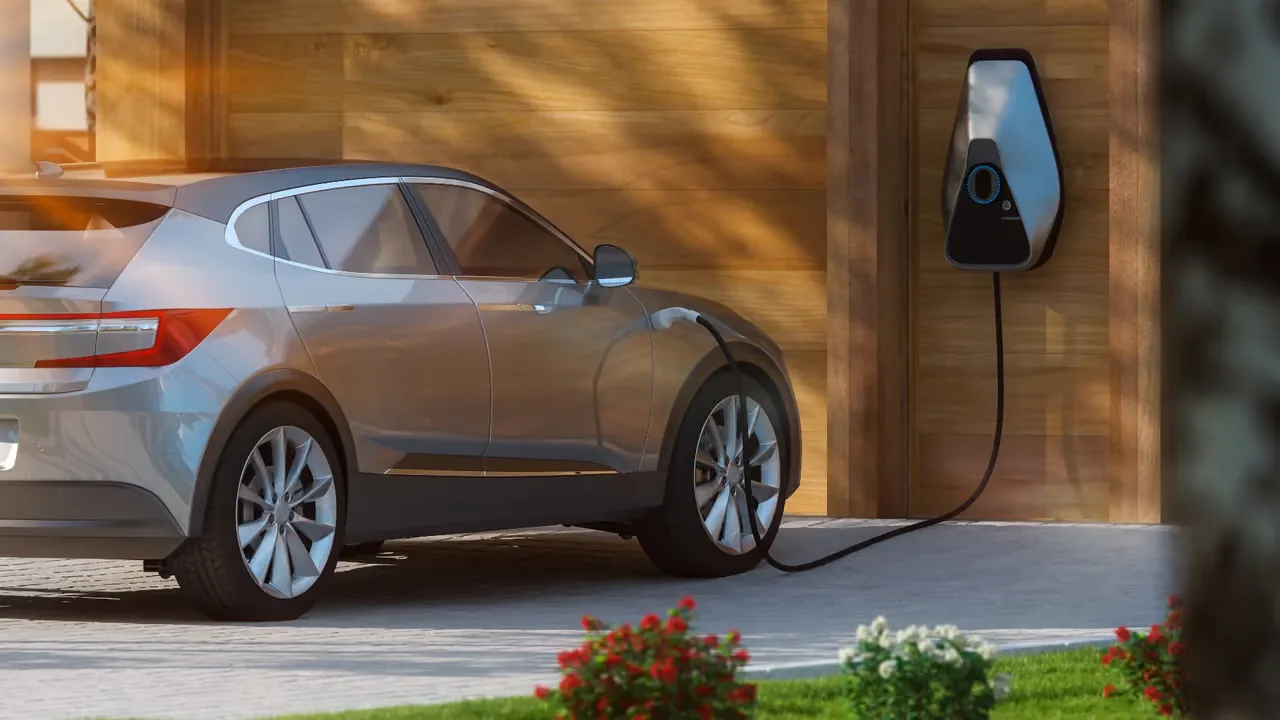
Are electric cars as green as they seem once you look beyond the tailpipe? While zero emissions on the road make EVs an attractive alternative to traditional vehicles, the full environmental story is far more complex. To understand the true impact of electric cars, we need to examine their entire lifecycle—from the extraction of raw materials to manufacturing, daily use, and finally disposal or recycling.
Lifecycle Emissions from Production to Disposal
Electric vehicles (EVs) generate no direct tailpipe emissions, but their environmental footprint starts long before you drive off the lot. The production phase, particularly battery manufacturing, is energy-intensive. Mining for lithium, cobalt, nickel, and other metals involves significant ecological disruption and carbon emissions. For example, extracting lithium from salt flats consumes vast amounts of water, often in arid regions where water scarcity is already an issue.
Manufacturing an electric car generally produces more greenhouse gases than building a comparable internal combustion engine (ICE) vehicle, primarily due to battery assembly. However, studies consistently show that over the vehicle’s lifetime—typically measured over 150,000 miles or more—electric cars tend to produce fewer total emissions than gasoline or diesel cars. This advantage largely depends on the source of electricity used during the vehicle’s operational phase.
At the end of life, electric cars pose different challenges compared to ICE vehicles. Disposal isn’t as simple as scrapping a metal frame; EVs contain complex battery packs that require specialized handling to avoid environmental contamination.
The Challenge of Battery Recycling and Material Recovery
Battery recycling holds the key to reducing the environmental burden of EVs. Currently, recycling rates for lithium-ion batteries remain relatively low, and the processes are costly and technically challenging. Recovering valuable materials like lithium, cobalt, and nickel can reduce the need for new mining operations, but efficient and scalable recycling methods have yet to become widespread.
There are a few main recycling approaches:
- Pyrometallurgical processes involve high-temperature smelting to extract metals but often lose lithium and can be energy-intensive.
- Hydrometallurgical processes use chemical leaching to recover a higher percentage of materials, including lithium, but generate chemical waste that must be managed.
- Direct recycling aims to refurbish battery components for reuse, potentially saving energy and costs, but this technique is still in developmental stages.
Improving recycling infrastructure and incentivizing second-life battery applications—such as stationary energy storage—could extend the lifespan of battery materials and reduce environmental impacts.
Infrastructure Energy Demands and Renewable Integration
Charging millions of electric vehicles places new demands on electricity grids. If EV charging relies heavily on fossil-fuel-generated power, the environmental benefits shrink considerably. This is why the integration of renewable energy sources into the grid is critical to maximizing the climate advantages of electric vehicles.
Smart charging technologies, such as demand response and vehicle-to-grid systems, can help smooth out electricity demand peaks and enable EVs to act as distributed energy storage. However, these technologies are still emerging and require investment in grid modernization.
Moreover, the upstream energy required to produce charging infrastructure—transformers, cables, charging stations—also contributes to the overall environmental cost of electric vehicles. This infrastructure must be designed with durability and recyclability in mind to minimize waste.
Comparative Analysis EVs Versus Combustion Engines in Overall Sustainability
When comparing EVs and ICE vehicles, it’s tempting to focus solely on tailpipe emissions, but a holistic view tells a different story. Several comprehensive lifecycle assessments (LCAs) show that electric cars generally have a lower carbon footprint over their entire lifespan, assuming moderate to high use of renewable electricity.
ICE vehicles, by contrast, have lower upfront emissions during manufacturing but continuously emit greenhouse gases throughout their operational life. The extraction and refining of petroleum also have significant environmental impacts, including oil spills, habitat disruption, and air pollution.
However, the sustainability advantage of EVs is not uniform everywhere. In regions where electricity generation is heavily coal-dependent, EV lifecycle emissions can approach or even exceed those of efficient gasoline cars. This underlines the importance of cleaning up the power sector alongside electrifying transportation.
Finally, the resource intensity of battery production raises concerns about social and environmental justice, particularly in countries where mining conditions are poor and regulations lax. Responsible sourcing protocols and improved recycling can mitigate these issues but require coordinated global efforts.