Are Plugless Chargers the Future of EVs
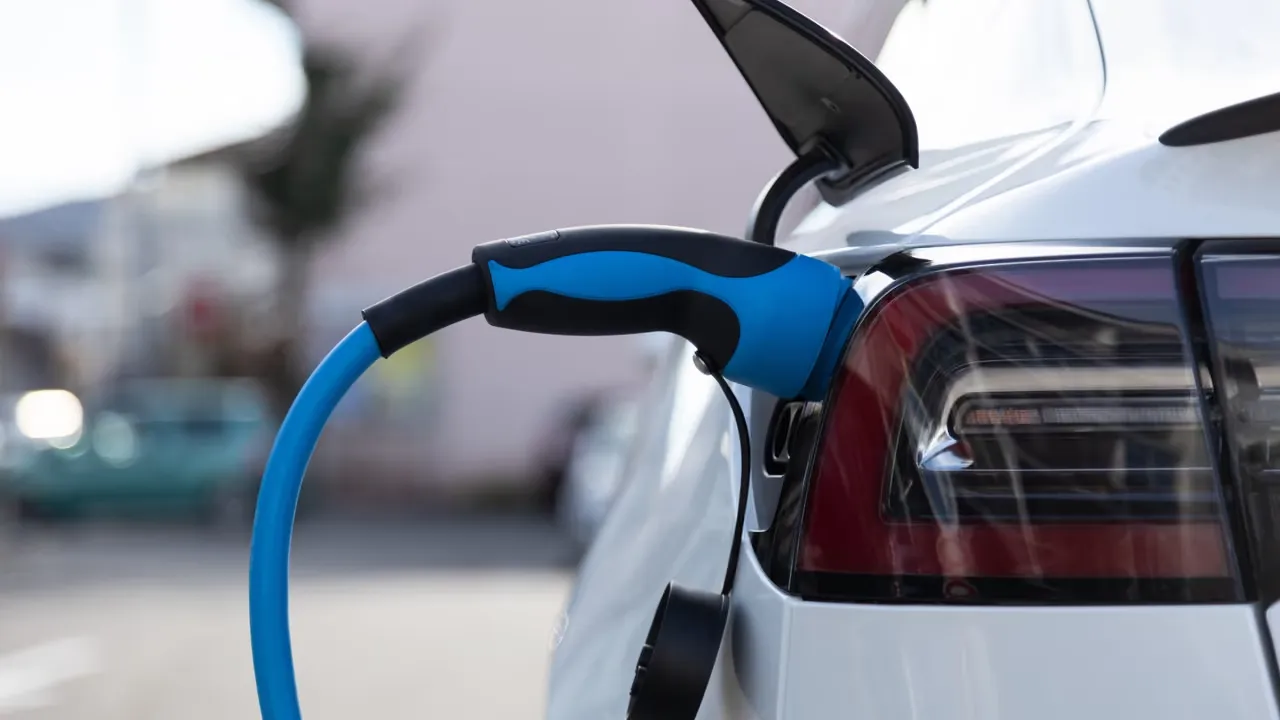
What if charging your electric vehicle was as simple as parking it over a mat, no cables, no plugs, no fumbling in the dark? This is the promise of wireless EV charging, a technology that could redefine convenience and reshape the infrastructure of electric mobility.
How Does Wireless EV Charging Work?
At its core, wireless EV charging relies on the principle of electromagnetic induction. Instead of a physical connection, power transfers through magnetic fields generated between two coils—one embedded in the ground (the charging pad) and the other installed on the vehicle’s underside.
When the car is correctly positioned over the charging pad, an alternating current in the ground coil creates a magnetic field. This field induces an electric current in the vehicle’s coil, which is then converted back into direct current to charge the battery. The process is seamless and automatic, eliminating the need for cables and plugs.
There are two main types of wireless charging:
- Static Charging: The vehicle remains stationary over a charging pad for the duration of the charge.
- Dynamic Charging: The vehicle charges while in motion, using embedded coils in roadways to transfer power as it drives.
Current Innovations and Pilot Projects
Wireless EV charging is no longer a futuristic concept limited to labs. Multiple companies and research institutions are testing real-world applications.
- Static Wireless Charging Pads: Several automakers and tech firms have developed home and public-use wireless charging pads. For example, BMW offers a wireless charging system compatible with certain models, while companies like WiTricity have partnered with car manufacturers to integrate this technology.
- Public Infrastructure Pilots: Cities in Europe and Asia are experimenting with wireless charging spots in parking lots and taxi stands. In South Korea, some public parking spaces are equipped with wireless chargers, allowing taxis and delivery vehicles to recharge without interrupting service.
- Dynamic Charging Trials: Perhaps the most revolutionary application is charging vehicles on the move. Projects in Sweden and the U.S. have embedded coils in highway lanes to test electric trucks charging while driving. Although still in early stages, dynamic charging could dramatically reduce battery size and range anxiety.
Benefits Over Traditional Plug-in Charging
Wireless charging offers several clear advantages compared to traditional plug-in systems:
- Convenience: No need to handle heavy cables or struggle with connectors, especially in bad weather or low light. Just park, and charging begins automatically.
- Reduced Wear and Tear: Without physical connectors, there’s less mechanical degradation over time. This can cut maintenance costs for both vehicles and charging stations.
- Enhanced Safety: Eliminating cables reduces trip hazards and the risk of electric shock caused by damaged plugs or wet conditions.
- Space Efficiency: Wireless pads can be flush with the ground, making them suitable for tight urban environments and multi-use parking areas.
- Potential for Dynamic Charging: Charging on the move could lessen the need for large batteries, reducing vehicle weight and cost.
Challenges and What to Expect Next
Despite its promise, wireless EV charging faces several hurdles before widespread adoption:
- Efficiency Concerns: Wireless charging currently lags behind plug-in methods in energy transfer efficiency. Losses during induction mean longer charging times and more energy consumption, though ongoing research is narrowing this gap.
- Cost and Infrastructure: Installing wireless charging pads, especially dynamic systems embedded in roads, demands significant investment. Retrofitting existing infrastructure isn’t cheap or simple.
- Standardization: Industry-wide standards are still evolving. Multiple protocols can complicate compatibility between different vehicle models and charging stations.
- Positioning Precision: Effective charging requires accurate alignment of coils. Although many systems include guidance technologies, imperfect parking can reduce efficiency or halt charging entirely.
- Health and Environmental Concerns: While current evidence suggests wireless charging is safe, public perception about electromagnetic fields could slow acceptance.
Looking ahead, expect incremental improvements in efficiency and cost reduction. Integration with smart city initiatives will likely accelerate, with wireless charging spots becoming as common as traditional stations in urban centers. Dynamic charging remains the wild card—if it scales, it could redefine how electric vehicles are designed and used.