Five Innovations Changing Battery Recycling
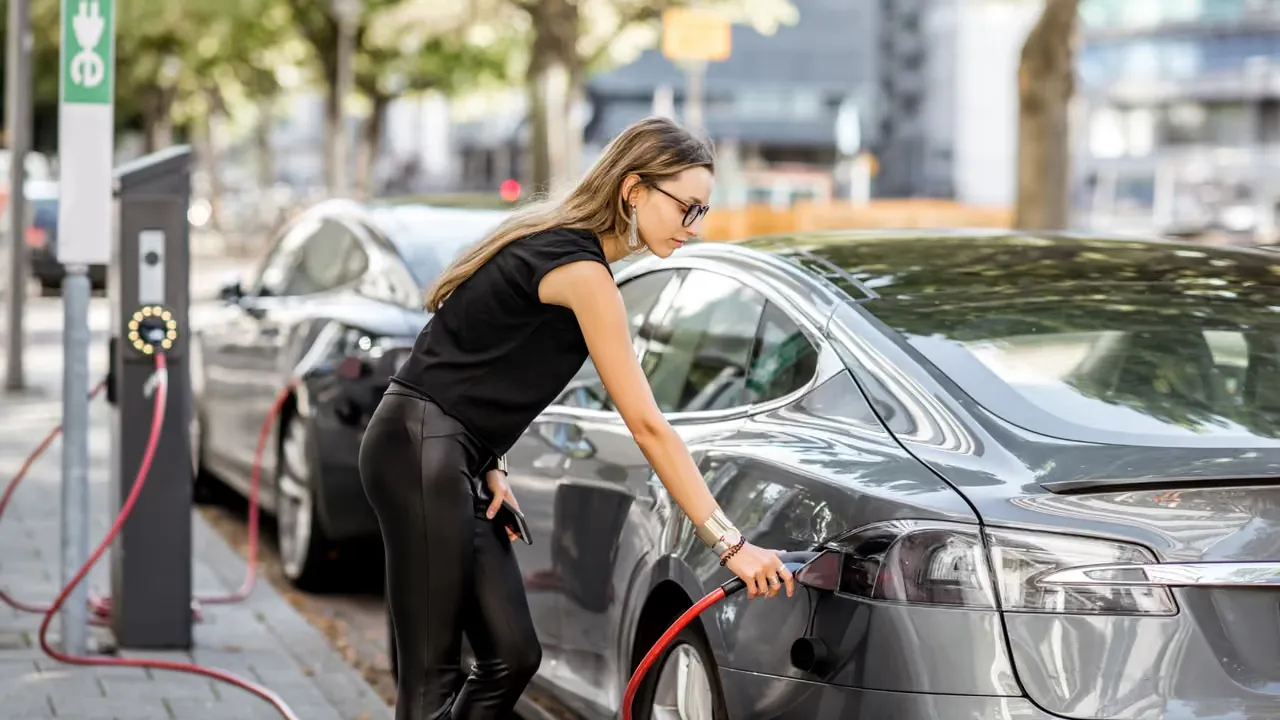
Electric cars are often hailed as the future of sustainable transportation, but the environmental challenges posed by their batteries remain a significant concern. As the number of electric vehicles (EVs) rises, so does the volume of used lithium-ion batteries that need proper disposal or recycling. Emerging battery recycling technologies are beginning to change the game, offering promising solutions to reduce environmental impact and make electric cars truly green.
The Environmental Impact of EV Battery Waste
EV batteries contain valuable metals such as lithium, cobalt, nickel, and manganese, but they also pose environmental risks if discarded improperly. When batteries end up in landfills, toxic chemicals can leach into the soil and groundwater, causing pollution and harming ecosystems. Moreover, mining for raw materials to produce new batteries is energy-intensive and often involves unethical labor practices.
Currently, only a fraction of EV batteries are recycled. Many end up stored in warehouses or prematurely scrapped, leading to resource wastage and increased carbon footprints. As EV adoption accelerates worldwide, the challenge of managing battery waste is becoming urgent. Without effective recycling, the environmental benefits of electric vehicles are undercut by the damage caused by battery disposal and raw material extraction.
Innovations in Battery Recycling Techniques
Traditional battery recycling methods involve pyrometallurgical and hydrometallurgical processes, which are energy-heavy and sometimes inefficient at recovering all valuable materials. However, new technologies are making strides in improving battery recycling efficiency and sustainability.
- Direct Recycling: This method restores battery cathodes to a reusable state without breaking them down completely. By preserving the cathode structure, direct recycling reduces energy use and maintains material quality, enabling recycled batteries to perform almost as well as new ones.
- Advanced Hydrometallurgy: Innovations in chemical treatments have allowed for more selective and environmentally friendly recovery of metals. Using less harmful solvents and operating at lower temperatures, these processes reduce pollution and improve metal purity.
- Automated Sorting and Dismantling: Robotics and AI-driven systems can disassemble batteries more safely and efficiently, minimizing human exposure to hazardous materials and increasing throughput.
- Solid-State Battery Recycling: As solid-state batteries enter the market, new recycling techniques tailored to their unique chemistry are being developed to recover materials without damaging them.
Examples of Industry Leaders
Companies like Redwood Materials and Li-Cycle are pioneering scalable recycling technologies that promise to recover up to 95% of battery materials. Their processes emphasize circularity, aiming to feed recovered metals directly back into new battery production lines. These innovations are crucial for reducing reliance on virgin mining and lowering the environmental toll of battery manufacturing.
Economic and Environmental Benefits of Recycling EV Batteries
Recycling used batteries offers substantial economic advantages alongside environmental benefits. Extracting metals from recycled batteries is significantly cheaper and less energy-intensive than mining. This cost reduction can lower the price of electric vehicles, making them more accessible.
Environmentally, recycling reduces greenhouse gas emissions by cutting down on mining activities and energy consumption. It also helps conserve scarce resources like cobalt, which is both expensive and linked to geopolitical and ethical concerns. Proper recycling minimizes toxic waste and pollution, protecting communities near mining and disposal sites.
- Resource Conservation: Recycling recovers valuable metals, reducing demand for new extraction.
- Energy Savings: Less energy is needed to process recycled materials compared to raw ores.
- Waste Reduction: Diverts hazardous battery waste from landfills and incineration.
- Job Creation: Recycling facilities generate employment opportunities in emerging green industries.
Future Outlook Circular Economy in Electric Vehicle Industry
The future of electric vehicles hinges on embracing a circular economy where battery materials are continuously reused rather than discarded. Governments and manufacturers are beginning to recognize this necessity, introducing regulations and incentives that encourage battery recycling and second-life applications.
Second-life batteries, repurposed for energy storage in homes or renewable power systems, extend the useful life of EV batteries before recycling is needed. This approach further reduces environmental impact and maximizes resource efficiency.
Looking ahead, advances in battery chemistry may also simplify recycling. For instance, developing batteries with fewer toxic or rare elements could ease recovery processes. Collaboration between automakers, recyclers, and policymakers will be essential to build infrastructure and standards that support large-scale recycling.
Ultimately, the shift from a linear “take-make-dispose” model to a circular system will define how sustainable electric vehicles truly become. Recycling technologies are at the heart of this transformation, turning a pressing environmental challenge into an opportunity for innovation and responsible growth.