From Slow to Ultra Fast Chargers
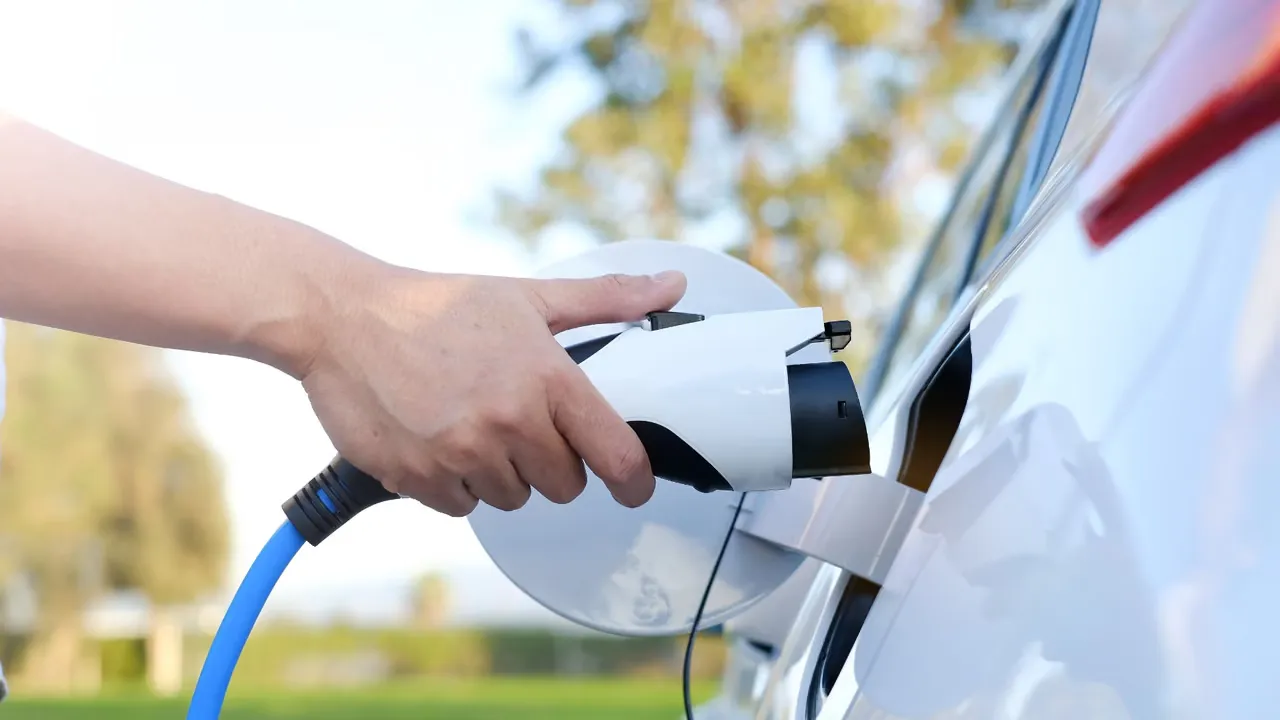
Look back just a decade ago and charging an electric vehicle (EV) was a slow, often frustrating affair. A patchy network of chargers, many delivering power at a snail’s pace, meant drivers had to plan trips meticulously and endure long waits. Today, EV charging technology is moving faster than the cars themselves, reshaping not only convenience but also the sustainability of driving electric.
The evolution of EV charging technology
EV charging started simply: plug the vehicle into a standard outlet, and wait hours for a full battery. Early adopters accepted this limitation, driven more by the promise of zero emissions than practicality. As EVs gained popularity, the industry responded with dedicated charging stations offering higher power outputs. The shift from Level 1 (120V) to Level 2 (240V) chargers cut charging times dramatically, bringing EVs into the realm of everyday usability.
But the real breakthrough came with the introduction of DC fast chargers. Unlike AC chargers that rely on the vehicle’s onboard charger to convert current, DC fast chargers supply direct current straight to the battery, bypassing this limitation and slashing charging times to under an hour in many cases. This rapid evolution has been crucial in addressing “range anxiety” — the fear that a vehicle will run out of juice far from a charger.
From slow plugs to ultra-fast chargers what’s new
The current frontier in EV charging is ultra-fast charging, with power outputs exceeding 350 kW in some cases. These chargers can add hundreds of miles of range in 15-20 minutes, rivaling the time it takes to fill a gasoline tank. Major manufacturers and networks are investing heavily in these ultra-rapid stations, often located along highways and in urban hubs.
Technological advances have also improved charger compatibility and user experience. Universal standards like CCS (Combined Charging System) and CHAdeMO create a more seamless ecosystem, while integrated payment systems and smartphone apps make charging as straightforward as refueling. Meanwhile, improvements in battery chemistry allow vehicles to accept higher charging speeds without damaging battery health.
Wireless and smart charging the future of convenience
Wireless charging is emerging from experimental labs into real-world applications. Using inductive charging pads embedded in garages or parking spaces, EV owners can charge their cars simply by parking over a pad. This technology eliminates the need for cables and plugs, offering unmatched convenience especially for urban dwellers and fleet operators.
Smart charging systems are another leap forward, integrating EVs with the electrical grid in intelligent ways. These systems can optimize charging times according to electricity prices, grid demand, or renewable energy availability. For example, a smart charger might delay charging until wind or solar power is abundant, reducing costs and environmental impact.
Vehicle-to-grid (V2G) technology takes this a step further by allowing EVs to feed electricity back to the grid during peak demand. This not only helps balance grid loads but also creates new revenue streams for EV owners and supports the broader integration of renewable energy.
Sustainability in EV charging infrastructure powering green journeys
Charging an EV with electricity from fossil fuels defeats the purpose of driving electric. Recognizing this, the industry is increasingly focusing on green charging infrastructure. Solar-powered charging stations, for instance, are becoming more common, often paired with battery storage to provide consistent power even when the sun isn’t shining.
Moreover, companies are exploring ways to make the entire charging ecosystem more sustainable. From using recycled materials in charger construction to deploying energy-efficient electronics, the push for sustainability extends beyond just the source of electricity.
The location and design of charging stations also matter. Urban planners and utilities are collaborating to integrate chargers into public transit hubs, commercial centers, and residential areas in ways that encourage EV adoption without overwhelming local grids. Smart grid technologies ensure that adding EV chargers doesn’t lead to unnecessary carbon emissions or power outages.
In short, charging technology is no longer just a technical challenge; it’s a vital piece of the puzzle in building a sustainable transportation future. The race is on to make charging faster, easier, and greener — and the innovations unfolding right now are turning that vision into reality.