Neighborhood EV Hubs Boost Local Bonds
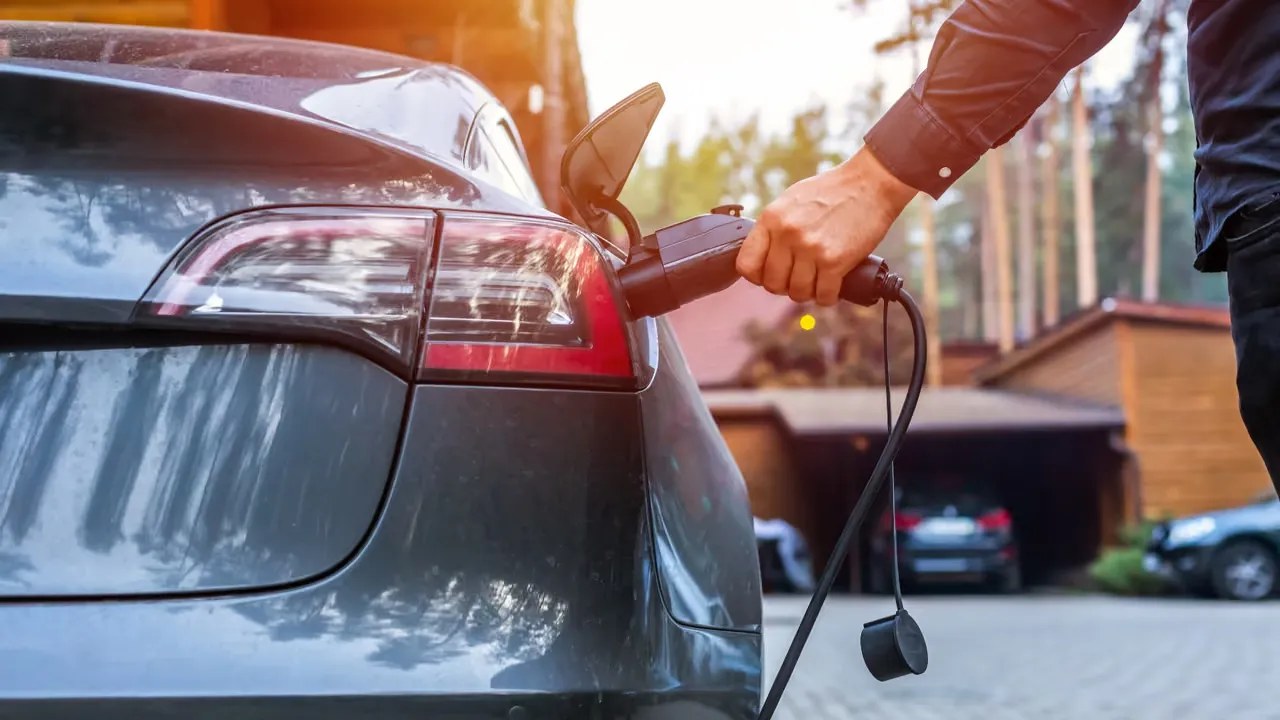
Imagine a small neighborhood on a quiet weekend afternoon. Instead of deserted streets or silent driveways, there’s a gentle hum of activity around a local EV charging hub. Residents gather not only to power their electric vehicles but also to chat over coffee, exchange gardening tips, or discuss the latest community news. This isn’t just a parking lot with charging stations; it’s becoming a vibrant social space that strengthens neighborhood ties while supporting sustainable transportation.
What Are Community-Driven EV Charging Hubs
Community-driven EV charging hubs are localized, often publicly accessible stations where electric vehicle owners can recharge their cars. Unlike large, commercial charging stations situated on highways or shopping centers, these hubs are embedded within neighborhoods, managed or influenced directly by local groups, municipalities, or cooperatives.
They prioritize accessibility, affordability, and convenience for residents who may not have private driveways or home chargers. More than that, they promote a sense of ownership and participation among locals, who can contribute to decisions about location, design, and services offered.
Key Characteristics
- Located within or near residential areas to serve local EV owners.
- Operated with community input, often involving local government or neighborhood associations.
- Designed to be more than just functional charging spots, incorporating elements that foster social interaction.
Benefits for Neighborhoods Beyond Charging
Charging an EV is no longer a solitary, purely transactional experience. Community hubs transform this mundane task into an opportunity to build social connections and improve neighborhood life in several ways.
Creating Social Spaces
By integrating seating areas, shade structures, and sometimes cafes or kiosks, charging hubs become casual meeting points. Residents can catch up while their vehicles charge, turning the wait time into quality social interaction.
Encouraging Local Economy
These hubs often stimulate nearby businesses. Small vendors, food trucks, or pop-up markets can complement the charging station, creating new economic opportunities and making the area more vibrant.
Promoting Environmental Awareness
Community-driven hubs often serve as focal points for sustainability education. Workshops, signage, or events can be hosted here, encouraging eco-friendly habits beyond EV ownership.
Enhancing Safety and Neighborhood Cohesion
Regular foot traffic around these hubs helps deter vandalism and neglect. When neighbors gather regularly, there’s a natural increase in informal surveillance and mutual care.
Technological and Logistical Considerations
Setting up a community-driven EV charging hub requires careful planning, balancing technology, infrastructure, and community needs.
Choosing the Right Chargers
- Level 2 Chargers: These are common for community hubs, offering a good balance of charging speed and cost.
- Fast Chargers (DCFC): More expensive and power-hungry, suitable for hubs expecting quick turnover or higher traffic.
Power Supply and Grid Integration
Reliable electrical infrastructure is crucial. Some hubs incorporate solar panels or battery storage to reduce grid strain and lower operating costs. Smart grid technology enables dynamic load management to prevent overloads during peak times.
Payment and Access Systems
Community hubs often use user-friendly apps or RFID cards for payment, but some operate on a membership or cooperative model to simplify access and lower fees.
Location and Space Design
Strategic placement is essential—close enough to residences or transit stops yet accessible without congesting traffic. Designing with pedestrian pathways, landscaping, and seating makes the space welcoming.
Maintenance and Management
Ongoing upkeep, software updates, and customer support require either dedicated staff or partnerships with local businesses or utilities. Community involvement can help identify issues quickly and foster a sense of shared responsibility.
Future Prospects Integrating Social Spaces With EV Charging
Looking ahead, the line between EV charging stations and community spaces will blur even further. As electric vehicles become the norm, charging hubs have the potential to evolve into vibrant, multifunctional neighborhood centers.
Multi-Use Community Hubs
Imagine charging stations combined with coworking spaces, libraries, or small parks. These hubs could host local events, farmers’ markets, or art installations, turning them into cultural anchors.
Technology as a Social Connector
Advanced apps could facilitate neighborly interactions, such as arranging shared rides, coordinating charging schedules, or organizing community clean-up days. Real-time data displays might inform residents about sustainability goals and progress.
Inclusive and Equitable Access
Future designs will likely emphasize inclusivity, ensuring that charging hubs serve diverse populations, including apartment dwellers, low-income residents, and people with disabilities. Subsidized rates or community grants could make EV ownership more attainable.
Green Infrastructure Integration
Charging hubs may become part of broader green infrastructure projects, incorporating rain gardens, urban beekeeping, or native plantings. This approach deepens the environmental impact beyond transportation.
Community-driven EV charging hubs are more than just spots to juice up a car. They are emerging as catalysts for neighborhood engagement, sustainability, and innovation—quietly reshaping how we think about mobility and community life.