Smart Charging Saves Money and Energy
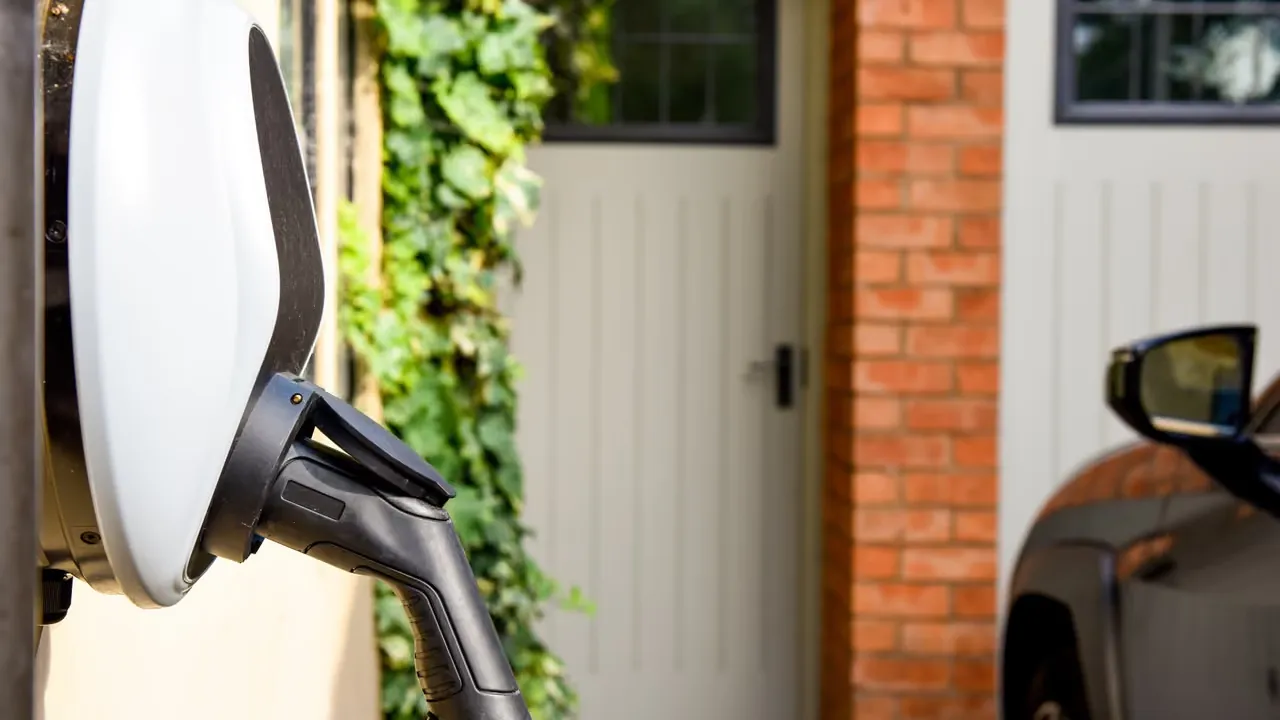
More and more driveways are turning into miniature energy hubs as residential electric vehicle (EV) charging solutions become a staple in modern homes. What was once a niche convenience is now a fundamental shift in how households approach energy consumption and management. As EV ownership grows, so does the need to rethink the way we power our cars—and our homes.
The Rise of Home-Based EV Charging
Charging an EV at home is no longer just about plugging into a standard outlet. Dedicated home charging stations, often called Level 2 chargers, have surged in popularity. These devices deliver faster charging speeds than a conventional outlet and can be installed in garages, carports, or even on exterior walls. The convenience of waking up to a fully charged vehicle is a major draw for EV owners.
But the story isn’t just about convenience. Home-based charging brings energy consumption into the household’s own ecosystem, making it easier to track and manage. Instead of relying on public charging networks or gas stations, homeowners gain control over when and how their EVs are powered.
Impact on Household Energy Usage Patterns
Introducing an EV charger into a home fundamentally shifts energy usage patterns. Suddenly, electricity demand spikes during certain hours, typically in the evening when people return home. This can strain the household’s electrical system and increase overall energy costs if not managed properly.
Smart chargers have become essential in addressing this issue. They can schedule charging during off-peak hours when electricity rates are lower, reducing costs and easing demand on the grid. Some systems even allow homeowners to monitor real-time energy consumption, adjusting usage to align with their daily routines.
Beyond simply powering a car, the presence of an EV charger encourages a broader awareness of household energy consumption. Families often start paying closer attention to other high-energy appliances and may adopt energy-saving habits to balance out the increased load.
Integrating Renewable Energy with Home Charging
One of the most exciting developments in residential EV charging is the integration with renewable energy sources, particularly solar panels. Homeowners are increasingly pairing solar installations with EV chargers, effectively turning their homes into self-sustaining energy ecosystems.
During sunny days, solar panels generate electricity that can directly power an EV charger, reducing reliance on the grid and lowering carbon footprints. Excess solar energy can also be stored in home battery systems, making it available for charging at night or during cloudy periods.
This synergy between solar power and EV charging is reshaping home energy management. It encourages smarter consumption patterns and creates opportunities for energy independence. Some homeowners even participate in demand response programs, allowing utilities to adjust charging times in exchange for incentives, further optimizing energy use.
Future Trends in Residential EV Charging Technology
The technology landscape for residential EV charging is evolving rapidly. Here are some trends to watch:
- Bidirectional Charging: Also known as vehicle-to-home (V2H) or vehicle-to-grid (V2G), this allows EVs to supply power back to the home or grid. This can provide backup electricity during outages or help balance grid demand.
- Faster and More Compact Chargers: New models promise higher charging speeds without requiring extensive electrical upgrades, making installations easier and more affordable.
- AI-Driven Energy Management: Advanced software will optimize charging schedules based on household habits, electricity prices, and weather forecasts, automating energy decisions for maximum efficiency.
- Wireless Charging: Emerging wireless charging pads may eliminate cables altogether, making charging as simple as parking over a designated spot.
As these technologies mature, residential EV charging will become even more integrated with home energy systems, changing not just how we power vehicles but how we think about energy consumption as a whole.