Three Ways to Recycle EV Batteries
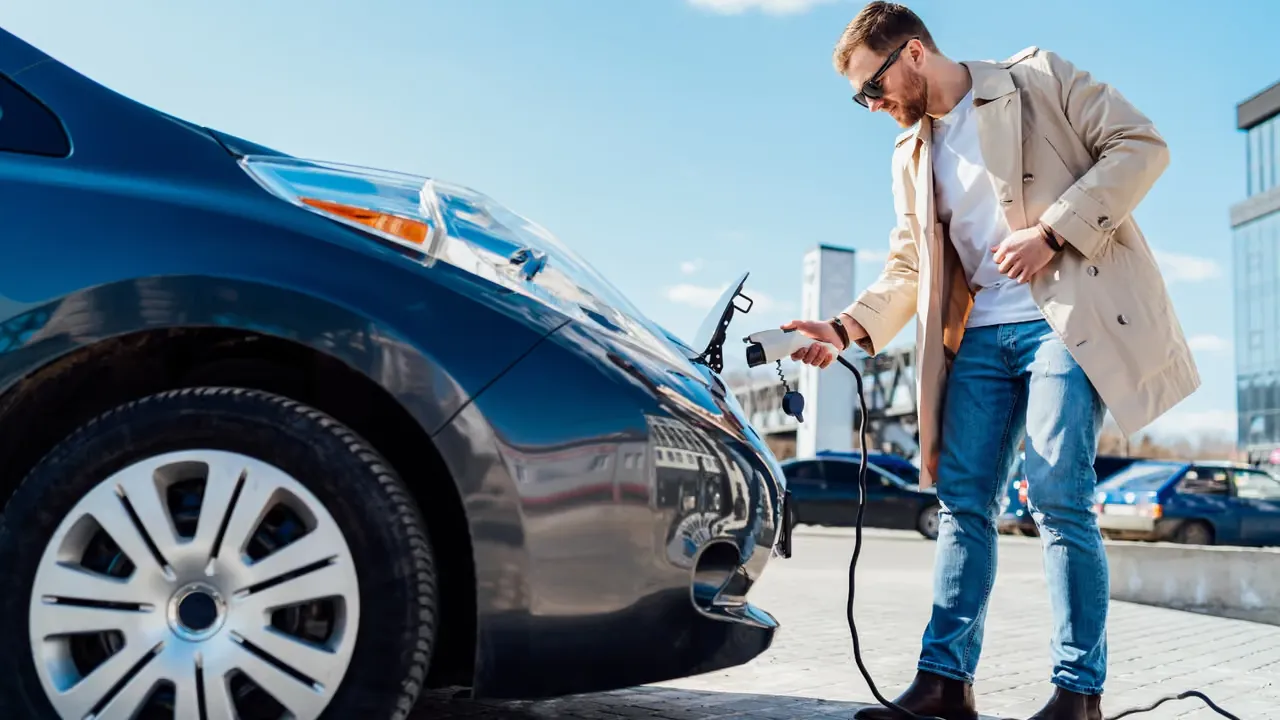
Electric cars have long been championed as the future of sustainable transportation, but their green credentials hinge on one critical factor: how we handle their batteries at the end of their life. As the demand for electric vehicles (EVs) surges, so does the urgency to develop effective battery recycling methods that can ease the strain on limited resources and reduce environmental impact.
The Importance of Battery Recycling for Electric Vehicles
The lithium-ion batteries powering most electric cars rely on materials like lithium, cobalt, nickel, and manganese—resources that are finite and unevenly distributed across the globe. Mining these elements comes with environmental and ethical concerns, including habitat destruction, water pollution, and labor rights issues. Recycling EV batteries offers a way to recover these valuable materials, reducing the need for fresh mining and lowering the carbon footprint associated with battery production.
Moreover, as millions of electric vehicles approach the end of their service life over the next decade, the volume of spent batteries will skyrocket. Without robust recycling infrastructure, these batteries risk becoming hazardous waste, leaking toxic chemicals into the environment. Efficient recycling not only mitigates this risk but also supports a circular economy where materials are continuously reused.
Current Technologies and Methods in Battery Recycling
Battery recycling today primarily involves three approaches: pyrometallurgical, hydrometallurgical, and direct recycling. Each has its own strengths and weaknesses.
Pyrometallurgical Recycling
This method uses high temperatures to smelt batteries and extract metals like cobalt, nickel, and copper. It’s a well-established industrial process but has drawbacks: it consumes a lot of energy, can emit pollutants, and often loses lithium during processing, making it less ideal for complete material recovery.
Hydrometallurgical Recycling
Also known as chemical leaching, this technique dissolves battery materials in acids or other solvents to separate and recover metals. It’s more energy-efficient than pyrometallurgy and better at recovering lithium. Companies are increasingly adopting hydrometallurgy for its ability to reclaim a broader range of materials with lower environmental impact.
Direct Recycling
Emerging as a promising alternative, direct recycling aims to preserve the battery’s cathode material structure so it can be refurbished and reused in new batteries. This process requires less energy and retains more of the original material’s value. However, it currently faces challenges in scalability and the need for standardized battery designs.
Challenges and Limitations in Battery Recycling
Despite progress, several hurdles slow down the widespread adoption of battery recycling. For starters, EV batteries are complex, composed of multiple layers and chemistries that vary widely by manufacturer and model. This lack of standardization makes disassembly and material separation labor-intensive and costly.
Additionally, the economic viability of recycling depends heavily on the fluctuating market prices of recovered metals. When prices drop, recycling operations struggle to turn a profit, deterring investment in new facilities.
Transportation and collection logistics also pose problems. Spent batteries are heavy, bulky, and classified as hazardous materials, complicating their safe and cost-effective movement to recycling centers. Furthermore, regulatory frameworks for battery recycling are still evolving in many regions, leading to inconsistent enforcement and uncertainty in the industry.
Future Prospects Innovations Driving Sustainable EV Battery Life Cycles
The good news is that innovation is accelerating. Researchers and companies are working on advanced recycling technologies that could revolutionize how batteries are processed.
- Automated Disassembly: Robotics and AI-powered systems are being developed to safely and efficiently dismantle batteries, reducing labor costs and exposure to hazardous materials.
- Improved Direct Recycling: Advances in material science are making it possible to rejuvenate cathode materials with less degradation, enabling multiple reuse cycles and extending battery life beyond the first use.
- Solid-State Battery Recycling: As solid-state batteries emerge, new recycling methods tailored to their unique chemistry are under development to avoid bottlenecks in sustainability down the line.
- Urban Mining: Some innovators are exploring extracting battery materials from electronic waste and used EV batteries within urban centers, reducing the need for long-distance transport and tapping into local resource loops.
- Second-Life Applications: Before recycling, spent EV batteries often retain enough capacity for stationary energy storage, such as grid balancing or home solar backup, effectively extending their useful life and deferring recycling.
Governments are also stepping up efforts with stricter regulations and incentives to boost recycling rates. The European Union’s upcoming battery directive, for example, mandates minimum recycling efficiencies and material recovery targets, pushing manufacturers and recyclers to innovate.
In the end, the growing synergy between technological breakthroughs, policy support, and industry commitment is charting a path toward sustainable EV battery life cycles. This crucial advancement will not only alleviate resource scarcity worries but also ensure that electric cars live up to their promise as a truly green transportation solution.