Top Tips to Lower EV Charging Emissions
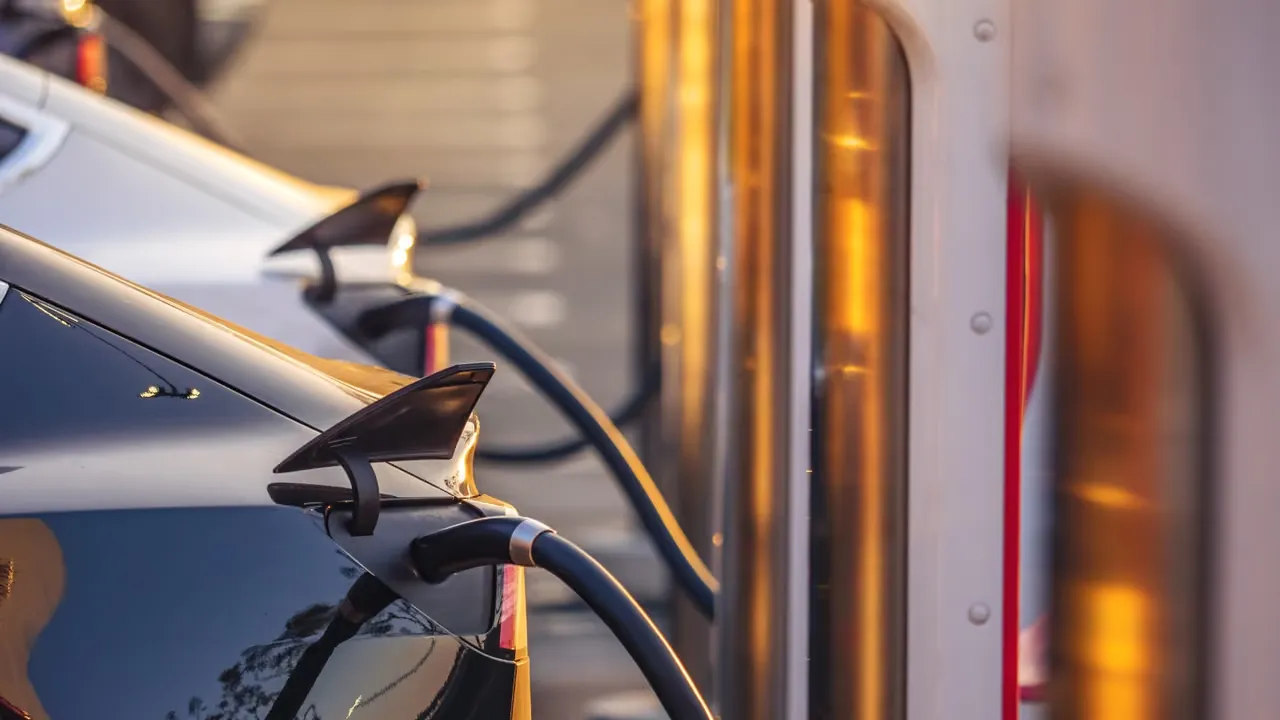
How green is your EV charging routine? As electric vehicles become the norm rather than the exception, understanding the environmental impact of how and where you charge your car is crucial. Not all charging methods are created equal, and your choices can significantly influence the carbon footprint of your daily drive.
Comparing the Carbon Footprint of Home Public and Fast Charging
Charging an electric vehicle (EV) can happen in various settings—at home, at public charging stations, or via fast chargers on the go. Each method carries a different environmental cost depending on energy sources, infrastructure, and efficiency.
Home Charging
Charging at home is typically the most convenient and often the greenest option, especially if your household energy mix includes renewable sources. The carbon footprint depends heavily on your electricity provider. If your home draws power from coal or natural gas plants, the emissions associated with each kilowatt-hour (kWh) consumed can be significant. Conversely, homes with solar panels or green energy tariffs drastically reduce emissions per charge.
Public Charging
Public chargers vary widely. Some are powered by the local grid, which might have a cleaner or dirtier energy mix than your home. Public stations in urban centers often benefit from better grid infrastructure and can integrate renewable energy more easily. However, the footprint also depends on whether the electricity is generated on demand or stored in batteries charged during greener times.
Fast Charging
Fast chargers, or DC fast chargers, provide a rapid energy boost, which is great for convenience but comes with trade-offs. These stations often draw huge amounts of power quickly, sometimes sourced from peak grid times when fossil fuel plants ramp up production. This can increase the carbon intensity of the juice flowing into your battery. Additionally, fast charging can reduce battery efficiency over time, leading to more frequent replacements and indirect environmental costs.
The Role of Renewable Energy Integration in EV Charging
Renewable energy is the linchpin in making EV charging truly sustainable. Charging from solar, wind, or hydroelectric sources cuts emissions dramatically compared to fossil fuel generation.
- Solar-powered home charging: Installing solar panels allows EV owners to charge using clean energy directly, often at lower costs.
- Renewable-backed public stations: Some public charging networks partner with renewable energy providers or use on-site solar and battery storage.
- Grid improvements: As grids modernize with smart technology and better renewable integration, charging EVs during low-carbon periods becomes easier.
Time-of-use electricity plans also encourage charging when renewable output is high, reducing reliance on fossil fuels.
Technological Advancements Reducing Environmental Impact of Chargers
Several innovations are making EV charging more eco-friendly beyond just the energy source.
- Smart chargers: These devices communicate with the grid to optimize charging times, shifting demand to cleaner energy periods.
- Vehicle-to-grid (V2G) technology: Allows EVs to feed electricity back to the grid during peak demand, supporting grid stability and renewable integration.
- Improved charger efficiency: New models minimize energy loss during conversion, meaning more of the electricity drawn gets stored in your battery.
- Battery advancements: Better battery chemistry and management systems reduce degradation, extending battery life and lowering environmental costs over the vehicle’s lifespan.
Practical Tips for EV Owners to Charge More Sustainably
- Know your energy source: Check your electricity provider’s energy mix and consider switching to a green tariff if available.
- Charge during off-peak hours: Use time-of-use plans to charge when renewable energy is abundant and grid demand is low.
- Consider installing solar panels: Generating your own clean electricity can make home charging nearly carbon-neutral.
- Avoid fast charging unless necessary: Use slower, level 2 chargers for daily charging to reduce grid strain and emissions.
- Use smart chargers: Invest in chargers that can be programmed or that automatically adjust charging patterns based on grid signals.
- Support renewable-powered public stations: When away from home, seek out charging locations that use or offset power with renewables.