Why EVs Redefine Urban Mobility
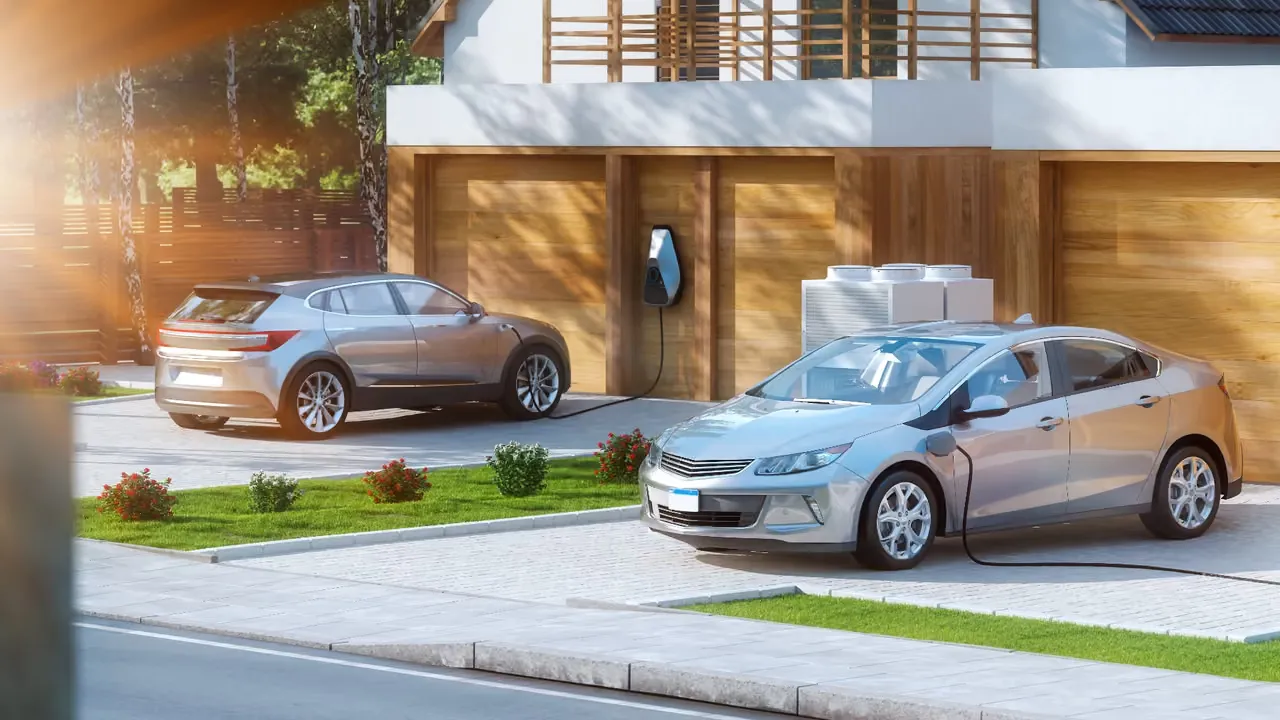
Walking down many city streets today, you might notice something subtle but profound: the spaces once dominated by gas-guzzling cars are being reimagined. It’s not just about swapping internal combustion engines for electric motors anymore. Electric cars are quietly reshaping the very blueprint of our urban environments, nudging city planners and designers to rethink how streets, parking, and neighborhoods function and interact.
Redesigning Streets for Pedestrians and EVs
Electric vehicles (EVs) bring a different dynamic to city streets. Their quieter operation and zero tailpipe emissions open the door for cities to prioritize pedestrians and cyclists without the constant roar and pollution of traditional cars. Some cities are experimenting with narrower lanes and expanded sidewalks because EVs, especially compact models, can maneuver more easily and require less space.
These changes encourage a shift in urban design philosophy. Streets are becoming more than just conduits for cars; they’re evolving into shared spaces where pedestrians, scooters, bikes, and electric vehicles coexist more harmoniously. This redesign often includes dedicated lanes for EVs, which can be used for car-sharing programs or priority traffic lanes, helping reduce congestion and promote cleaner travel options.
Quiet Streets Change Urban Life
The reduced noise pollution from electric cars means streets can become social spaces rather than just traffic corridors. City planners are increasingly incorporating green buffers, benches, and public art into these quieter streets, making them more inviting for residents and visitors alike.
Integrating Charging Infrastructure into Public Spaces
One of the biggest challenges with electric cars is charging. Unlike gas stations, which are separate and often on the outskirts, charging needs to be woven directly into the urban fabric. This requirement has led to creative solutions in public spaces.
- Streetlight Charging: Some cities retrofit streetlights with charging ports, turning every lamp post into a potential EV charging spot.
- Parking Meters with Chargers: Replacing traditional parking meters with smart meters that also provide charging capabilities is becoming more common.
- Public Charging Hubs: Dedicated charging plazas with multiple fast chargers are being integrated into parks, plazas, and transit hubs.
These innovations mean charging infrastructure is no longer an ugly afterthought but a visible and functional part of cityscapes. It also influences urban design, as planners must consider electrical grid capacity, accessibility, and aesthetics when placing charging stations.
Impact on Parking and Garage Architecture
The rise of electric cars is reshaping parking design in profound ways. Traditional garages and parking lots are evolving to accommodate charging needs, altering their layout and technology.
- Charging-Ready Spaces: New parking structures are being built or retrofitted with embedded charging technology at every spot or at least a significant percentage, making EV charging an expected amenity.
- Smarter Parking Systems: Integration with apps and sensors allows drivers to find available charging spots efficiently, reducing time spent circling for parking and lowering urban congestion.
- Reduced Parking Footprint: As car-sharing and autonomous electric shuttles grow, the demand for personal parking spaces may shrink, freeing up space for other uses like green areas or commercial development.
Architects and developers are rethinking garages as multipurpose spaces. Some designs incorporate solar panels on rooftops to power EV chargers below, while others envision these structures converting into community centers or markets as car use patterns evolve.
Encouraging Sustainable Neighborhood Development
Electric cars are catalysts for broader sustainable development in urban neighborhoods. Their presence supports denser, mixed-use communities with reduced dependence on fossil fuels and promotes local energy generation and storage.
- Energy Integration: Neighborhoods are increasingly designed with shared EV charging stations tied to renewable energy sources like solar or wind, creating microgrids that enhance resilience and sustainability.
- Reduced Emissions Zones: Cities are establishing low-emission zones that favor electric vehicles, encouraging developers to design neighborhoods that prioritize clean transportation and limit traditional car use.
- Walkability and Connectivity: With EVs mitigating pollution and noise, planners feel safer promoting walkable neighborhoods connected by shared electric mobility options, reducing the need for individual car ownership.
The ripple effect of electric cars extends beyond just replacing fuel tanks with batteries. These vehicles are quietly influencing how we live, move, and interact within our cities, pushing urban design toward a cleaner, more human-centered future.